


Building Steel Structure
Jinan Huangtai Coal Gas Stove Ltd Company
Jinan Huangtai Gas Furnace Co., Ltd. was established in 1958, covering an area of 138000 square meters, with more than 500 employees. With D-class pressure vessel manufacturing license; A-class boiler manufacturing license; GB1, GB2, GC2 pressure pipeline installation qualification; electromechanical equipment class III construction and installation qualification; B (class II ) equipment electrical instrument control design and installation qualification. It is a national high-tech enterprise, Shandong famous brand product, Shandong famous trademark, China's top 10 gas producer. Has a number of invention patents. More than 60 years of experience, professional and trustworthy.
Why Choose Us
Rich Experience: Our company has many years of production work experience. The concept of customer-oriented and win-win cooperation makes the company more mature and stronger.
Advanced Equipment:Equipment based on the latest technological developments has higher efficiency, better performance and stronger reliability.
Professional Team: Our professional team collaborate and communicate effectively with one another, and are committed to delivering high-quality results. They are capable of handling complex challenges and projects that require their specialized expertise and experience.
One-stop Solution: With rich experience and one-to-one service,we can help you choose products and answer technical questions.
-
 High Quality OEM Steel Bridge ConstructionSteel structure bridge has a long life and are widely used around the world in different structural forms with different span length.Add to Inquiry
 -
 Steel Structure Building Structural Steel Composition Bri...Steel structure building structural steel composition bridge steel formwork is a bridge with steel for the main load-bearing structure.Add to Inquiry
 -
 High Quality Steel Structure Engineering SupportingSteel Structure plays an important role in industry. Steel structure supporting use steel pipe, H-beams, angle steels, etc. to enhance the stability of engineering steel structures.Add to Inquiry
 -
 Building Steel Structure Engineering Steel SupportIn general, steel structure is a popular choice in the engineering buildings.Add to Inquiry
 -
 Steel Frame Building ConstructionSteel Frame Building Construction is a very sturdy structure, often quite tall, which is typically made up of beams, columns and slabs.Add to Inquiry
 -
 Engineering Structural Steel Supporting ConstructionIn general, steel structure is a popular choice in the engineering buildings.Add to Inquiry
 -
 Large Span Steel Structure Construction Space Frame BridgeProduct Name:Large span steel structure construction space frame bridge. Size:Customized. Application:Steel Structure Bridge. Brand:Haiyao.Add to Inquiry
 -
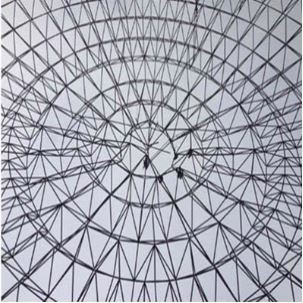 Grid EngineeringAt present, most of the grid structures in China adopt the plate grid structure.Add to Inquiry
 -
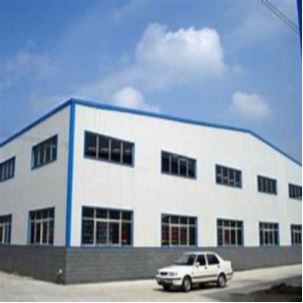 Steel Structure Industrial Workshop BuildingSteel Structure Industrial Workshop Building. Wide range of uses. Large span.Add to Inquiry
 -
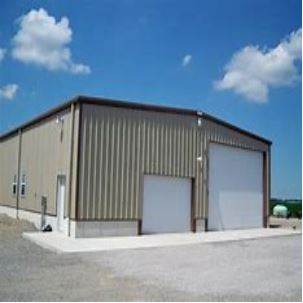 Prefab steel structure metal barn buildingSteel structure is widely used in large-scale factories, warehouses and other buildings because of its light weight and easy construction.Add to Inquiry
 -
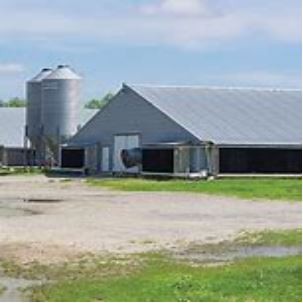 Light Steel Gauge Framing Prefabricated Poultry HouseSteel structure is widely used in various buildings including poultry house, warehouse and etc.Add to Inquiry
 -
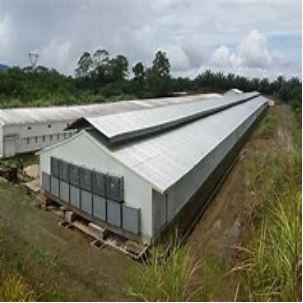 Prefab Steel Cow Farm BuildingPrefab Steel Cow Farm Building is of high safety, environmental protection, and low cost.Add to Inquiry


Tel/Whatsapp: +8613506407229
Fax: +86-531-8121 6002
Email: vera03112022@163.com
Add: East end of Liyuan Street, Development Zone, Shanghe County, Jinan City, Shandong Province

Building steel structure refers to the construction of buildings using steel as the primary material for the structural framework. This includes beams, columns, and trusses, as well as roofing, walls, and floors. The use of steel as a building material offers a number of benefits, including high strength, durability, and resistance to fire, water, and weather conditions. Steel structures can be used for a variety of building types, including commercial, industrial, and residential buildings.
Advantages of Building Steel Structure
Durability: Steel structures are known for their high strength-to-weight ratio, which makes them extremely durable. They can withstand extreme weather conditions and natural disasters, such as earthquakes, hurricanes, and floods.
Speed Of Construction: Steel structures can be prefabricated off-site, which reduces construction time and allows for faster completion of the building project. This can save a significant amount of money in labor costs and can also reduce the amount of waste generated during the construction process.
Energy Efficiency: Steel structures are highly energy efficient due to their excellent insulation properties, which helps to reduce cooling and heating costs. They can be designed to accommodate natural lighting and ventilation, further reducing energy consumption
Fire Resistance: Steel buildings are highly resistant to fire, due to the material’s high melting point and slow burning rate, ensuring that the structure remains stable and strong in the event of a fire.
Design Flexibility: Steel structures can be designed to fit any architectural style and be tailored to fit a range of functional requirements. From simple warehouse buildings to complex high-rise buildings, steel structures can be customized to meet specific design requirements.
Sustainability: Steel is a highly recyclable material, and many steel structures are made with recycled materials. Steel buildings can also be designed to be highly energy-efficient, which can reduce energy costs and contribute to environmental sustainability.
What Are The Different Types Of Building Steel Structures
What Are The Different Types Of Building Steel Structures
Steel Framed Structures
These are the most commonly used steel structures for buildings. They involve a framework of steel components erected to support the building's weight. These components are connected by welding or bolting and are usually made from steel plates or beams.
Steel Truss Structures
This type of structure is used for buildings that require large, open spaces without any columns to hold it up. They are commonly used for gymnasiums, airport hangars, and warehouses. Truss structures are designed using a network of beams and other support structures to create a lightweight, yet sturdy framework.
Steel Arch Structures
These structures are designed to be curved or arched in shape. They offer a unique appearance that is both aesthetically pleasing and functional. Steel arch structures are used in small buildings, such as garden sheds, as well as large buildings, such as aircraft hangars and industrial facilities.
Steel Cable Structures
This type of structure is designed to use steel cables to suspend the building's weight. These structures are commonly used in pedestrian bridges, canopy walkways, and roofs of large stadiums.
Steel Plate and Girder Structures
These structures use steel plates, girders, and columns to create a stable framework that can support heavy loads. They are used in high-rise buildings, bridges, and industrial facilities.
Special-Shaped Steel Structures
These are custom-designed structures that can take on any shape or form. They are used in buildings with irregular or complex designs and can be used both for functional and architectural purposes.
What Are The Common Materials Used In Building Steel Structures
The Following Are Six Common Materials Used In Building Steel Structures
Structural Steel
This is the main material used in constructing steel structures. It is an alloy of iron and carbon that is easy to work with, strong, and ductile. It is available in different shapes and sizes, making it suitable for various applications.


Steel Plates
These are flat sheets of steel that are used to construct floors, walls, and roofs. They are available in different sizes and thicknesses, and can be cut and welded to fit specific project requirements.
Beams
Beams are used to support the weight of the structure. They can be fabricated into different shapes and sizes, depending on the load they need to bear.


Columns
Columns are vertical structural elements that provide support to the beams and roofs. They can be cast or prefabricated, depending on the project requirements.
Braces
Braces are diagonal members that are used to transfer the load from the beams to the columns. They also provide lateral stability to the structure, preventing it from collapsing in the event of an earthquake or strong winds.


Bolts
Bolts are used to connect the different steel members together. They are made of high-strength steel and are designed to withstand the stresses and strains that the structure may be subjected to. The bolts are tightened to a specific torque, ensuring that they hold the structure securely in place.
Building steel structures require a range of connection methods that are essential to ensure the structural stability of the entire construction. These methods include bolted connections, welded connections, and riveted connections.
Bolted connections involve using bolts and nuts to secure two or more pieces of steel together. A hole is drilled into the steel members, and a bolt is passed through the hole before placing a nut on it and tightening it. This connection method allows for easy inspection and maintenance since it is straightforward to loosen and remove the bolts.
Involve melting the two steel members together through the application of heat. It is a more permanent connection method and requires skilled labor to ensure the weld is strong enough to handle the load. Welded connections are ideal for large steel structures where the joints need to be rigid, and the steel members need to be in a fixed position.
Riveted connections involve driving a steel bolt called a rivet through two or more steel members and securing it by hammering the end to create a permanent connection. This method was widely used in the past but is not as common now since bolted and welded connections are easier to manage and maintain.
Application of Building Steel Structure
High-Rise Buildings: Building steel structures are widely used in high-rise buildings due to their high strength and ability to withstand extreme weather conditions. Steel structures used in high-rise buildings are usually prefabricated, allowing for quick assembly and reducing overall construction time and cost.
Industrial Buildings: Steel structures are frequently used in industrial buildings such as warehouses, factories, and power plants. They provide ample space, flexibility in design, and easy maintenance.
Residential Buildings: Steel structures can be used in residential buildings, such as apartments and condos, due to their high strength, durability, and flexibility in design. Steel framed houses are becoming increasingly popular due to their energy efficiency and ease of construction.
Bridges: Steel structures are often used in bridge construction, such as steel truss bridges, due to their high strength, durability, and ability to span long distances. Steel is also resistant to corrosion, which makes it an excellent choice for bridge construction in coastal areas.
Sports Facilities: Steel structures are used in sports facilities such as stadiums and arenas due to their ability to provide ample space and flexibility in design. They allow for unique and innovative designs, such as retractable roofs, while maintaining structural integrity.
Agricultural Buildings: Building steel structures are used in agricultural buildings such as barns and grain storage facilities. These structures provide ample space and protection from harsh weather conditions, and are easy to maintain.
What Issues Need To Be Paid Attention To During The Construction Stage Of Building Steel Structures
Some issues that need to be paid attention to during the construction stage of building steel structures include
Safety
Because steel structures are often large and complex, adequate safety measures must be taken during construction to prevent accidents. This includes following safety protocols, wearing personal protective equipment, conducting regular safety audits and training workers on safety best practices.
01
Proper Materials and Equipment
The use of appropriate materials and equipment is critical to ensuring the durability of your steel structure. Proper materials and equipment ensure that the structure is strong enough to withstand loads, weather conditions, and other external factors.
02
Proper Design and Planning
The design and planning stages are critical to ensuring that the steel structure meets structural requirements and is aesthetically pleasing. Design and planning also include site analysis, soil type, wind speed and other key factors that affect the functionality of the steel structure.
03
Quality Control
Quality control is an important aspect of the construction process and involves strict supervision and monitoring of all stages of the construction process. This ensures that the structure is built according to the design and established standards.
04
Timely completion
It is critical to complete the construction process within the project timeline, as any delays can result in additional costs and inconvenience. Therefore, adhering to the established schedule is necessary
05
What Factors Need To Be Considered In The Design Of Building Steel Structures
The design of steel structures for buildings is an elaborate process that requires careful consideration of a number of factors. Some of the most crucial factors include the purpose and function of the building, the environment and site conditions, and the local building codes and regulations.
The purpose and function of the building will impact the choice of a steel frame and the type of structural system required. For example, a high-rise building will require a different design than a warehouse or agricultural structure. Additionally, it is important to consider any special requirements such as the need for large, clear spans, or the need for load-bearing walls.
Environmental factors like wind, seismic events, and snow loads must also be factored in when designing steel structures. The site of the building is also an important consideration since it affects the type of foundation that may be required. For example, if the ground is soft, a pile foundation may be necessary.
The local building codes and regulations also play a role in the design process. Compliance with local and national codes ensures the safety and durability of the steel structure. The design team must be familiar with all relevant codes and regulations, including building codes, fire codes, and zoning regulations
Certifications


Jinan Huangtai Gas Furnace Co., Ltd. was established in 1958, covering an area of 138000 square meters, with more than 500 employees. With D-class pressure vessel manufacturing license; A-class boiler manufacturing license; GB1, GB2, GC2 pressure pipeline installation qualification; electromechanical equipment class III construction and installation qualification; B (class II ) equipment electrical instrument control design and installation qualification. It is a national high-tech enterprise, Shandong famous brand product, Shandong famous trademark, China's top 10 gas producer. Has a number of invention patents. More than 60 years of experience, professional and trustworthy.
FAQ
Q: What benefits does a building steel structure offer?
Q: What are the advantages of using steel in construction?
Q: What is a building steel structure?
Q: What is the process of constructing a steel building?
Q: What are the main components of a steel building?
Q: What are the different types of steel building designs?
Q: What is the difference between steel frame and steel truss structures?
Q: What are some of the latest trends in steel structure building design?
Q: How are building steel structures insulated?
Q: What is the process for building a steel structure?
Q: How do steel structure buildings compare to traditional construction methods?
Q: What types of roofing materials are used in steel structure buildings?
Q: What factors affect the cost of a steel structure building?
Q: How is the structural design of building steel structures determined?
Q: What are the common materials used in building steel structures?
Q: Can building steel structures be designed to be earthquake-resistant?
Q: How can building steel structures be fire-resistant?
Q: What are the main components of a steel structure?
Q: How are steel structures erected and installed?
Q: What is the difference between hot-rolled and cold-formed steel?
