


Fluidized Bed Gasifier
Jinan Huangtai Coal Gas Stove Ltd Company
Jinan Huangtai Gas Furnace Co., Ltd. was established in 1958, covering an area of 138000 square meters, with more than 500 employees. With D-class pressure vessel manufacturing license; A-class boiler manufacturing license; GB1, GB2, GC2 pressure pipeline installation qualification; electromechanical equipment class III construction and installation qualification; B (class II ) equipment electrical instrument control design and installation qualification. It is a national high-tech enterprise, Shandong famous brand product, Shandong famous trademark, China's top 10 gas producer. Has a number of invention patents. More than 60 years of experience, professional and trustworthy.
Why Choose Us
Rich Experience: Our company has many years of production work experience. The concept of customer-oriented and win-win cooperation makes the company more mature and stronger.
Advanced Equipment:Equipment based on the latest technological developments has higher efficiency, better performance and stronger reliability.
Professional Team: Our professional team collaborate and communicate effectively with one another, and are committed to delivering high-quality results. They are capable of handling complex challenges and projects that require their specialized expertise and experience.
One-stop Solution: With rich experience and one-to-one service,we can help you choose products and answer technical questions.
-
 Oxygen-enriched Circulating Fluidized Bed GasifierPressure range: 0 ~ 50kPaG. Gasifier: oxygen-enriched + water vapor. Application: Factories, gas station, etc.Add to Inquiry
 -
 Circulating Fluidized Bed GasifierColor: customized. Size: customized size. Surface treatment: According to customer requirements.Add to Inquiry
 -
 Circulating Fluidized Bed Coal GasifierCirculating fluidized beds are popular for large-scale combustion operations, and they are also gaining attention for gasification of carbonaceous feedstocks.Add to Inquiry
 -
 High Quality Pellet Supporting Coal To Gas Pure Oxygen Fl...High coal utilization rate with less fly ashAdd to Inquiry
 -
 Biomass Fluidized Bed Gasifier Two-stage Gasification Tec...Color: customized. Size: customized size. Surface treatment: According to customer requirements.Add to Inquiry
 -
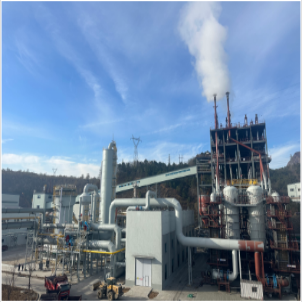 Fluidized Bed Gasifier Pure Oxygen Gasification TechnologyGasifier: Pure oxygen gasification technology. Application: Suitable for users with high requirements for calorific value.Add to Inquiry
 -
 Atmospheric Pressure Circulating Fluidized Bed Gasifier F...Gasifier: Atmospheric pressure circulating fluidized bed gasifier . Application: nickel iron.Add to Inquiry
 -
 Improved Oxygen-enriched Circulating Fluidized Bed GasifierImproved oxygen-enriched circulating fluidized bed gasifier is suitable for customers with high calorific value requirementsAdd to Inquiry
 -
 Coal gasification technology high efficiency pressurized ...Color: customized. Size: customized size. Surface treatment: According to customer requirements.Add to Inquiry
 -
 Pressurized Circulating Fluidized Bed GasifierProduct name:Pressurized circulating fluidized bed gasifier. Brand:Huangtai. Application:Chemical, steel, non-ferrous metal industries. Feature:High energy efficiency of the system.Add to Inquiry
 -
 Pulverized Coal Circulating Fluidized Bed Staged Pyrolysi...Stable and reliable operation. Low cost. Stable and reliable operation.Add to Inquiry
 -
 Pulverized Coal Circulating Fluidized Bed Staged Pyrolysi...The technology has low investment, can produce gas of various specifications, and has a wide range of applications.Add to Inquiry


Tel/Whatsapp: +8613506407229
Fax: +86-531-8121 6002
Email: vera03112022@163.com
Add: East end of Liyuan Street, Development Zone, Shanghe County, Jinan City, Shandong Province

A fluidized bed gasifier is a type of gasification technology used to convert biomass, coal, or other organic materials into a synthetic gas known as syngas. This process involves heating the organic material at high temperatures in the presence of a fluidizing agent, usually air or steam, which causes the material to become suspended in a fluid-like state. This creates a turbulent mixing of the fuel and the gasifying agent, promoting the efficient conversion of the solid fuel into a gas.
Advantages of Fluidized Bed Gasifier
High Gasification Efficiency
One of the main advantages of fluidized bed gasifiers is their high gasification efficiency. This is due to the excellent contact between the solid fuel and the gasifying agents in the fluidized bed, which results in a more complete and efficient conversion of the solid fuel into syngas.
Flexibility in Fuel Choice
Fluidized bed gasifiers are capable of gasifying a wide range of solid fuels, including coal, biomass, and waste materials. This flexibility in fuel choice makes fluidized bed gasifiers suitable for a wide range of applications, from power generation to chemical production and waste management.
Ability to Handle Low-Grade Fuels
Fluidized bed gasifiers can handle low-grade fuels, such as low-rank coals and waste materials, that are difficult to gasify in other types of gasifiers. This ability to handle low-grade fuels makes fluidized bed gasifiers a valuable tool for waste management and resource recovery.
Environmental Benefits
Fluidized bed gasifiers offer several environmental benefits. They produce a clean syngas that can be used as a fuel in power generation and chemical production, reducing the emissions of greenhouse gases and other pollutants. They also reduce the volume and toxicity of solid wastes by converting them into a useful fuel.
What Are The Different Types Of Fluidized Bed Gasifier
The dual fluidized bed gasifier is a two-stage gasifier that uses two separate fluidized beds to improve the efficiency and operating range of the gasification process. In this type of gasifier, the fuel is first gasified in a bed of inert material at high temperature and then transferred to a second bed of oxygen-rich gas, where the remaining fuel is oxidized to produce syngas. The dual fluidized bed gasifier is usually designed for high-temperature applications, such as gasifying biomass or waste materials.
Bubbling Fluidized Bed Gasifier (BFB)
The bubbling fluidized bed gasifier is the most common type of fluidized bed gasifier. In this type of gasifier, the fuel is introduced into the chamber at the bottom, and the air or steam is added at high velocity to keep the fuel particles in suspension. The bubbling fluidized bed gasifier is usually designed for low to medium-sized facilities, and its efficiency can vary depending on the type of fuel being used, such as wood chips or agricultural waste.
Circulating Fluidized Bed Gasifier (CFB)
The circulating fluidized bed gasifier is a more advanced type of fluidized bed gasifier that uses larger particles of fuel and a circulating loop of solids to improve the efficiency of the gasification process. In this type of gasifier, the fuel is added to a circulating bed of inert material, which creates a strong circulation of solids that provides better heat transfer and chemical reactions. The circulating fluidized bed gasifier is typically used for larger-scale facilities, such as coal-fired power plants.
Transport bed gasifier (TBG)
Transport bed gasifier is a type of upflow gasifier in which the fuel particles are transported through the reactor by a gas stream. The gas stream is typically a mixture of steam and oxygen, which helps in the gasification process. The operating temperature of the TBG gasifier is typically between 800°C and 1100°C. The gas produced from the TBG gasifier has low tar content and can be used for power generation.
Applications of Fluidized Bed Gasifier
Fluidized bed gasifiers are used in a wide range of applications, including power generation, chemical production, and waste management.
Power Generation
In power generation, fluidized bed gasifiers are used to convert solid fuels into a gaseous fuel that can be burned in a gas turbine or a steam boiler to generate electricity. This process, known as Integrated Gasification Combined Cycle (IGCC), offers several advantages over conventional coal-fired power generation, including higher efficiency and lower emissions of pollutants.
Chemical Production
In chemical production, fluidized bed gasifiers are used to produce syngas, which can be used as a feedstock for the production of a variety of chemicals, including Methanol, Ammonia, and Hydrogen.
Waste Management
In waste management, fluidized bed gasifiers are used to convert solid wastes into a gaseous fuel that can be used for power generation or chemical production. This process, known as Waste-to-energy (WTE), offers a sustainable solution for waste disposal and resource recovery.
Components of a Fluidized Bed Gasifier
A fluidized bed gasifier typically consists of several key components, including the fluidized bed reactor, gas distributor, solid fuel feeder, gasifier gas outlet, and solid residue outlet. Each of these components plays a crucial role in the operation of the gasifier.
Fluidized Bed Reactor
The fluidized bed reactor is the heart of the fluidized bed gasifier. It is where the gasification process takes place. The reactor is typically a vertical cylindrical vessel that contains a bed of solid particles. The particles are fluidized by the upward flow of gas, which is introduced into the bed through a gas distributor located at the bottom of the reactor.
Gas Distributor
The gas distributor is a crucial component of the fluidized bed gasifier. It is responsible for introducing the gasifying agents (steam and oxygen or air) into the fluidized bed reactor. The distributor is typically a perforated plate or a series of nozzles located at the bottom of the reactor. The design and operation of the gas distributor are critical to achieving good fluidization of the bed and efficient gasification of the solid fuel.
Solid Fuel Feeder
The solid fuel feeder is the component of the fluidized bed gasifier that introduces the solid fuel into the fluidized bed reactor. The feeder can be a mechanical device, such as a screw feeder, or a pneumatic device, such as a jet pump. The design and operation of the solid fuel feeder are critical to achieving a uniform distribution of the solid fuel in the fluidized bed and efficient gasification of the fuel.
Gasifier Gas Outlet
The gasifier gas outlet is the component of the fluidized bed gasifier that collects and removes the syngas produced in the fluidized bed reactor. The outlet is typically located at the top of the reactor. The design and operation of the gas outlet are critical to achieving a high yield of syngas and preventing the carryover of solid particles from the fluidized bed.
Solid Residue Outlet
The solid residue outlet is the component of the fluidized bed gasifier that collects and removes the solid residues produced in the fluidized bed reactor. These residues, which are typically ash and unconverted fuel, are removed from the bottom of the reactor. The design and operation of the solid residue outlet are critical to maintaining the proper operation of the fluidized bed and preventing the accumulation of solid residues in the reactor.
A fluidized bed gasifier is a gasification system that uses a fluidized bed reactor to convert solid fuel into a gaseous fuel called syngas. The process involves passing a high-velocity stream of air or oxygen through a bed of solid fuel particles, causing the particles to "fluidize" or suspend in the air stream.
When fuel particles fluidize, they are exposed to high temperatures, causing them to break down into their component gases (i.e., carbon monoxide, hydrogen, methane, and other hydrocarbons), a process called pyrolysis. These gases then react with oxygen in the air stream to produce syngas, which is a mixture of carbon monoxide, hydrogen and other gases.
Syngas produced in fluidized bed reactors is cooled and purified to remove impurities such as tar and ash before being used as fuel for boilers, engines or turbines. The heat generated by the gasification process can also be used for other purposes, such as heating buildings or generating electricity.

How Is The Gas Produced In a Fluidized Bed Gasifier Typically Used
The use of the gas produced in a fluidized bed gasifier depends on the application and the end use. Syngas has a wide range of applications, including power generation, industrial heating, chemical production, and transportation.
Power Generation
The gas produced in a fluidized bed gasifier can be used to generate electricity through a gas turbine or a spark ignition engine. The syngas is typically cleaned before it is used in a power generation system to remove impurities such as sulfur and particulate matter. The cleaned gas is then combusted to generate heat, which is used to drive a turbine or an engine.
Industrial heating
The gas produced in a fluidized bed gasifier can be used as a fuel in industrial heating applications such as furnaces, boilers, and kilns. The syngas can replace natural gas or other fossil fuels, reducing the overall carbon footprint of the process.
Chemical Production
Syngas can also be used as a feedstock in chemical production processes such as the manufacture of methanol, ammonia, and other chemicals. The gas can be converted into liquid fuels such as gasoline, diesel, and jet fuel through a process called Fischer-Tropsch synthesis.
Transportation
Syngas can also be used as a fuel for transportation applications. The gas can be converted into hydrogen or methane, which can be used in fuel cell vehicles or as a compressed natural gas fuel for vehicles.

Fixed bed gasifier and fluidized bed gasifiers are both types of biomass gasifiers that are used to convert solid biomass into fuel. The main difference between these two types is the way in which the biomass is processed during the gasification process.
Fixed bed gasifier have a stationary bed of biomass that is located at the bottom of the gasifier. The gasification process occurs as a result of the biomass being heated by a burner or by other means. The resulting gas is then drawn off through the top of the gasifier.
Fluidized bed gasifier use a stream of air or a fluid to suspend the biomass particles in the gasifier. This creates a fluidized bed of biomass that is mixed and agitated, which allows for better gasification. The gas is then drawn off through the top of the gasifier.
The advantage of fluidized bed gasifier is that they can produce a higher quality gas with less tar and other unwanted byproducts. fluidized bed gasifiers are more efficient and can handle a wider variety of biomass feedstocks.they are more complex and expensive to operate than fixed bed gasifiers.
What Are The Maintenance Requirements Of a Fluidized Bed Gasifier
The following are some of the maintenance requirements for a fluidized bed gasifier
Cleaning of the Gasifier Bed: The bed of a fluidized bed gasifier should be cleaned regularly to ensure that the fluidization process is optimized. Regular cleaning will also prevent the accumulation of impurities and slag, which could damage the gasifier.
Inspection of the Gasifier: Regular inspection of a fluidized bed gasifier is necessary to identify any signs of wear and tear or damage. The inspection should be carried out by a qualified technician who will check for cracks, leaks, and other possible defects.
Monitoring of Temperature and Pressure: Temperature and pressure monitoring is essential to ensure that the gasifier is functioning correctly. The data obtained from the monitoring system should be analyzed to identify any potential problems.
Repair and Replacement of Parts: Any damaged or worn-out parts of the gasifier should be repaired or replaced as soon as possible. Delayed maintenance could lead to further damage or even failure of the gasifier.
Control of Gasifier Emissions: A fluidized bed gasifier should comply with emissions regulations. Thus, installation and maintenance of gas cleaning systems such as electrostatic precipitators should be done to ensure that the emissions are within acceptable limits.
Fuel Storage and Handling: Proper storage and handling of the fuel for the fluidized bed gasifier can play a significant role in maintaining its optimal performance. Care should be taken to protect the fuel from moisture, contaminants, and other environmental factors that could affect its quality.
Certifications


Jinan Huangtai Gas Furnace Co., Ltd. was established in 1958, covering an area of 138000 square meters, with more than 500 employees. With D-class pressure vessel manufacturing license; A-class boiler manufacturing license; GB1, GB2, GC2 pressure pipeline installation qualification; electromechanical equipment class III construction and installation qualification; B (class II ) equipment electrical instrument control design and installation qualification. It is a national high-tech enterprise, Shandong famous brand product, Shandong famous trademark, China's top 10 gas producer. Has a number of invention patents. More than 60 years of experience, professional and trustworthy.
FAQ
Q: What are the maintenance requirements of a fluidized bed gasifier?
Q: How does a fluidized bed gasifier work?
Q: What types of feedstock can be used in a fluidized bed gasifier?
Q: What are the advantages of using a fluidized bed gasifier?
Q: How does the quality of the feedstock affect the performance of a fluidized bed gasifier?
Q: What is the difference between fluidized bed gasification and other gasification technologies?
Q: What is operating temperature range of a fluidized bed gasifier?
Q: What are the primary gas products of a fluidized bed gasifier?
Q: What is a fluidized bed gasifier?
Q: How can the products of a fluidized bed gasifier be used?
Q: What are the key drivers of fluidized bed gasification?
Q: What types of biomass can be used in a fluidized bed gasifier?
Q: Can you integrate a fluidized bed gasifier with other energy systems?
Q: What are the applications of syngas produced by a fluidized bed gasifier?
Q: What are the benefits of using biomass as a feedstock in a fluidized bed gasifier?
Q: What are the economic benefits of using a fluidized bed gasifier?
Q: What are the design considerations when building a fluidized bed gasifier?
Q: What is the key advantage of a fluidized bed gasifier over other gasification technologies?
Q: What is the role of the gas velocity in a fluidized bed gasifier?
