


Boiler
Jinan Huangtai Coal Gas Stove Ltd Company
Jinan Huangtai Gas Furnace Co., Ltd. was established in 1958, covering an area of 138000 square meters, with more than 500 employees. With D-class pressure vessel manufacturing license; A-class boiler manufacturing license; GB1, GB2, GC2 pressure pipeline installation qualification; electromechanical equipment class III construction and installation qualification; B (class II ) equipment electrical instrument control design and installation qualification. It is a national high-tech enterprise, Shandong famous brand product, Shandong famous trademark, China's top 10 gas producer. Has a number of invention patents. More than 60 years of experience, professional and trustworthy.
Why Choose Us
Rich Experience: Our company has many years of production work experience. The concept of customer-oriented and win-win cooperation makes the company more mature and stronger.
Advanced Equipment:Equipment based on the latest technological developments has higher efficiency, better performance and stronger reliability.
Professional Team: Our professional team collaborate and communicate effectively with one another, and are committed to delivering high-quality results. They are capable of handling complex challenges and projects that require their specialized expertise and experience.
One-stop Solution: With rich experience and one-to-one service,we can help you choose products and answer technical questions.
-
 Oil Fired Vacuum Boiler Vacuum Hot Water BoilerThe overall state of the boiler to run at negative pressure to ensure absolute safety.Add to Inquiry
 -
 Hot Water Oil&Gas Fired Vacuum BoilerCompact structure. Extremely durable. It is easy to operate..Add to Inquiry
 -
 Diesel Fired Vacuum Hot Water BoilerThe Boiler has a compact structure,and looks beautiful.. Extensive usage.. Operating easily and Safety..Add to Inquiry
 -
 Gas Fired Vacuum Hot Water Boiler Used For Home UseProduct name:Gas Fired Vacuum Hot Water Boiler used for Home use. Pressure:Low Pressure. Size:Customized. Place of origin:Shandong, China.Add to Inquiry
 -
 Biomass Pellet Hot Water Boiler For IndustrySimple structure in linear type ,easy in installation and maintation.Add to Inquiry
 -
 300kg/Hr Automatic Wood Pellet Steam GeneratorAdopting advanced world famous brand components in pneumatic parts ,electric parts and operation parts.Add to Inquiry
 -
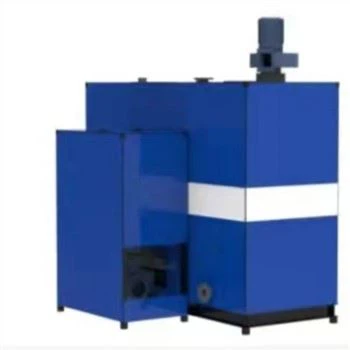 Automatic Wood Pellet Hot Water BoilerEnvironment friendly and energy saving.. Easy to operate..Add to Inquiry
 -
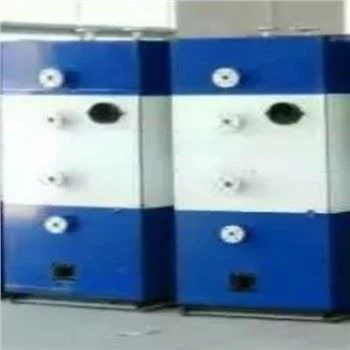 Automatic Wood Pellet Steam BoilerAutomatic Wood Pellet Steam Boiler a boiler that burns Wood Pellet as fuel.Add to Inquiry
 -
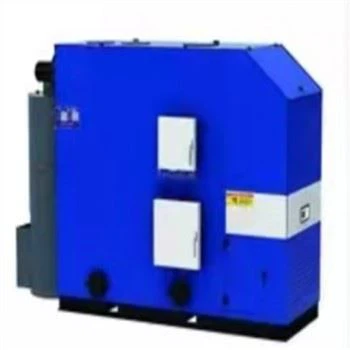 Fully Automatic Water Fire Tube Hot Water Coal Fired Boil...Product name:Fully Automatic Water Fire Tube Hot Water Coal Fired Boiler for Industry. Structure: Horizontal. Pressure:low pressure. Application Fields: Industrial use.Add to Inquiry
 -
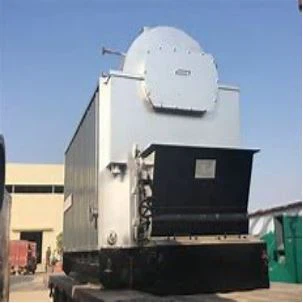 Water-Fire Tube Dzl Series Industrial Coal Fired Steam Bo...This series boiler is single drum horizontal type shell boiler, the combustion equipment is chain grate, has the advantages of feed mechanically and strong adaptability of different fuels.Add to Inquiry
 -
 Horizontal Coal Fired Thermal Oil BoilerProduct name: Horizontal Coal Fired Thermal Oil Boiler. Pressure: Low Pressure. Keyword: Coal Fired Thermal Oil Boiler. Application Fields: Industrial use.Add to Inquiry
 -
 Industrial Coal Fired Steam BoilerProduct name;Industrial Coal Fired Steam Boiler. Structure:Horizontal. Pressure:low pressure. Application Fields:Industrial use.Add to Inquiry


Tel/Whatsapp: +8613506407229
Fax: +86-531-8121 6002
Email: vera03112022@163.com
Add: East end of Liyuan Street, Development Zone, Shanghe County, Jinan City, Shandong Province

A boiler is a device that is used to heat water or other fluids to produce steam or hot water used for various heating applications. boilers are commonly used in buildings and industrial processes to provide heat or steam for a variety of purposes, such as heating buildings, powering turbines, or generating electricity. They come in different sizes, designs, and configurations, and can be fueled by various sources such as gas, oil, or electricity.
Advantages of Boiler
Energy Efficiency
Boilers are one of the most energy-efficient heating systems available, with efficiency ratings of up to 98%. They consume less fuel and can significantly reduce energy costs compared to other heating systems.
Efficient heating
Boilers are very efficient at heating homes and buildings evenly. The heat produced by a boiler can be distributed evenly through radiators, baseboard heaters, or in-floor heating systems.
Safety
Boilers are generally safer than other heating systems as they do not produce any harmful emissions like carbon monoxide. The risk of fire is also reduced as there are no open flames or exposed heating elements.
Heat control
Boilers offer better temperature control than other heating systems. Temperature settings can be easily adjusted to provide comfortable heating.
Versatility
Boilers can be used for many different applications including heating homes, commercial spaces, schools, hospitals and industrial plants, making them a versatile heating solution.
Zoning Capabilities
Boilers can be zoned to heat different areas of a home or building independently, allowing for greater control over heating and reducing energy waste.
What Are The Main Types Of Boiler
Hot Water Boilers
Hot water boilers are tanks that transfer heat to water that is circulated for heating purposes. They are made of stainless steel, cast iron, aluminum, and steel and are capable of withstanding increased temperature and pressure.
Water Tube Boilers
Water tube boilers pass water through the tubes of the boiler. Fire created in the combustion chamber burns around the outside of the tubes and heats the tubes, thus heating the water. This boiler design produces high pressure steam by way of the tangential pressure in the tubes, known as hoop stress; it is pressure applied to the circumference of the tubes and is like the stress applied to the bands of a wood barrel as it is filled.
Oil Boilers
Oil steam boilers operate on the same principles as gas boilers; oil is ignited in the combustion chamber instead of gas. The burning oil heats the exchanger that heats the water. Oil steam boilers can reach an efficiency of over 90%. Though they are more expensive than gas steam boilers, they tend to have twice the lifespan of a gas boiler.
High Pressure Boilers
High pressure steam boilers create excessive pressure to power equipment and machinery. The force and power of a high pressure steam boiler is produced by a pump that forces the steam at high pressure into the circulation system. To be classified as a high pressure steam boiler, a boiler must be able to produce pressure between 15 psi and 800 psi at temperatures that exceed 250° F (121° C).
Gas Boilers
Gas steam boilers are powered by natural gas or propane and are more efficient than standard boilers. The fuel for a gas boiler is piped into the boiler from an outside source that is connected directly to the boiler. The distribution of heat using a gas steam boiler depends on its configuration. Gas steam boilers can be used for industrial purposes and low pressure applications.
Electric Boilers
Electric boilers use electric elements to generate heat; it is a faster and more efficient heating method. It is an eco-friendly, cleaner system since it does not necessitate the burning of a fuel. Electric boilers are longer lasting, require less cleaning, and are maintenance free. The one factor that has to be controlled with electric boilers though is the buildup of scaling in the water reservoir.
Boilers are heating systems that are used to heat water or other fluids to produce steam, which can be used for a variety of purposes. Boilers work by heating the water or fluid to extremely high temperatures and then using the resulting steam to power turbines or heating systems.
In a typical boiler system, fuel such as oil, gas, or coal is burned in a combustion chamber. The heat produced by this combustion process is then transferred to the water or fluid, which is usually stored in a large tank or reservoir.
As the water is heated, it expands, and the resulting steam is then either used directly or passed through a turbine to generate electricity. In some cases, the steam is also used for heating, as it can be distributed throughout a building or other facility through a network of pipes and radiators.
Modern boiler systems are highly efficient and well regulated to ensure maximum efficiency and safety. They can be found in a wide range of applications, from large-scale power generation to small residential heating systems.
In addition to traditional fossil fuels such as oil and gas, boilers can also be powered by renewable sources such as biomass or geothermal energy. This makes them a versatile and reliable option for heating and power generation in a variety of environments and settings.

Methods Used to Heat a Boiler
A steam boiler absorbs heat that is released from combustion. The heat is transferred either by radiation, convection, or conduction. The percentage of heat that is transferred is dependent upon the type of steam, fuel, and transfer surface.
Radiation
Radiation is energy that is transmitted by all elements and bodies. It is the continuous interchange of energy between surfaces using electromagnetic waves. In the case of a steam boiler, the tubes in the boiler absorb radiant heat from the flame produced in the combustion chamber. The heat from radiation heating depends on the rate at which the electromagnetic waves are absorbed.
Convection
Convection is the transfer of heat within a liquid or gas when the liquid or gas is heated. As the liquid or gas is heated, it mixes with the cooler liquid or gas and heats the cooler liquid or gas. In a steam boiler, the convection process occurs when the fluid in the boiler is heated and becomes lighter and less dense. Heavier, cooler fluids or air move in as the lighter heated fluid or gas moves out. The replacement of hot fluids with cold fluids begins the process all over again.
Conduction
Conduction is a physical contact process where heat is transferred from one surface to another by contact. Heat in a metal moves through the metal to heat what it has touched. Conduction in a steam boiler takes place as the outer part of the tubing is heated, and the heat passes through to the inner part and to the cool water in the tube.

How they operate is the primary difference between a furnace and a boiler. Boilers produce warmth by heating liquid or water within a sealed container. This system then pushes hot water through a series of pipes that travel throughout the building. The pipes are heated by the hot water so that sufficient heat is generated for warming up the interior rooms. As long as a boiler is capable of producing steam or hot water, it will be able to keep the building warm.
Conversely, a furnace heating system relies on a heat exchanger. With this process, the furnace heats air rather than liquid or water. The air is then moved about the home to create warmer indoor temperatures. A blower motor is used to circulate this air so that it is effectively moved through the ductwork and vents.
The Main Components Of A Boiler
The three main components of all boilers are the burner, combustion chamber and heat exchanger.
Burner
One of the most important parts of a boiler is the burner. This is where the mixing of the air with the fuel source happens, resulting in the combustion which provides the necessary heat to heat up the fluid.
The burner provides heat input by combustion of a heat source. In other words, it initiates the combustion reaction within the boiler.
The way this particular component operates is that thermostats will send messages to the burner electronically when the system needs to produce heat. And then, fuel will pump, by a filter mechanism, to the boiler from an outside source - usually an adjacent fuel tank. A nozzle on the burner turns this fuel into a fine spray and ignites it, which creates the reaction in the combustion chamber.
Combustion Chamber
A combustion chamber is the part of a boiler in which the fuel/air mix burns. For this reason, the combustion chamber is usually cast iron, and the temperatures inside will rise to several hundred degrees. This process usually occurs in a very short amount of time. After the combustion, the heat generated in this chamber transfers to the boiler’s heat exchanger.
Heat Exchanger
A heat exchanger is a component of a boiler that allows heat to be exchanged between two fluids or substances, usually water and gas, without letting the substances mix together. The heat exchanger of boiler allows the heat from the burner to heat the water in system. The job of the heat exchanger is to carry the heat from the burner to the water without having direct contact with the water. It’s a similar idea to boiling water in a pot.
The heat exchanger transfers the heat produced by the burners within the combustion chamber to the water in the boiler. Heat exchangers can be made up of a variety of elements, including bundles of steel tubes, cast iron or copper lines. The elements need to be made of very sturdy material that is able to withstand high temperatures, last a long time and transfer heat efficiently. The process begins with hot gas and cold water, but because of the heat exchanger, the process ends with cooler gas and hotter water. All this transformation happens without the two substances even having to meet.
The process involved in manufacturing a boiler begins with the design, which takes into account the intended use of the boiler, the fuel type, the maximum operating pressure, and the required efficiency. Once the design is finalized, the next step is to manufacture the components of the boiler. This includes the pressure vessel, burners, ignition and control systems, and various safety devices.
The pressure vessel is the most important component of the boiler, and it is usually made of steel or cast iron. The vessel is designed to withstand high pressure and temperature without deformation. This ensures that the system is safe and efficient.
The burners are used to ignite the fuel and produce heat. Different types of fuels require different types of burners. Gas-based boilers use burners that are specially designed to produce a clean burn with low emissions. Oil-based boilers, on the other hand, require burners that can handle the higher viscosity of the fuel.
The ignition and control system are used to monitor and control the temperature and pressure inside the boiler. Safety devices such as pressure relief valves and temperature control systems are also installed to prevent accidents and damage to the system.
Once all these components have been manufactured, they are assembled and tested. The final product is then painted and packaged. Boiler manufacturers must meet strict safety standards to ensure that their products are safe, reliable, and efficient.
What Kind Of Maintenance Do Boilers Require
Regular cleaning
Boilers need to be cleaned regularly to remove dirt, dust, and debris from the combustion chamber, burners, heat exchanger and flue.
Inspection of parts
All boiler components, including valves, pumps, and sensors, need to be inspected regularly to ensure that they are in good condition and functioning as they should.
Lubrication
The moving parts of the boiler must be kept well lubricated to prevent wear and tear, reduce friction, and maintain efficiency.
Water treatment
The water used in the boiler needs to be treated to prevent corrosion and scaling. This may involve adding chemicals or installing a water softener.
Pressure checks
The boiler's pressure should be checked regularly to ensure that it is operating within safe limits.
Safety device testing
The boiler's safety devices, such as the pressure relief valve and flame sensor, should be tested regularly to ensure they are working correctly.
Certifications


Jinan Huangtai Gas Furnace Co., Ltd. was established in 1958, covering an area of 138000 square meters, with more than 500 employees. With D-class pressure vessel manufacturing license; A-class boiler manufacturing license; GB1, GB2, GC2 pressure pipeline installation qualification; electromechanical equipment class III construction and installation qualification; B (class II ) equipment electrical instrument control design and installation qualification. It is a national high-tech enterprise, Shandong famous brand product, Shandong famous trademark, China's top 10 gas producer. Has a number of invention patents. More than 60 years of experience, professional and trustworthy.
FAQ
Q: What is the difference between a boiler and a furnace?
Q: How does a boiler work?
Q: What are the different types of boilers?
Q: What are some safety precautions to take with a boiler?
Q: What kind of maintenance do boilers require?
Q: What is the difference between a fire-tube boiler and a water-tube boiler?
Q: What is a condensing boiler?
Q: What are the benefits of using a boiler?
Q: What is a boiler inspection?
Q: What are the different fuel sources used in boilers?
Q: How does boiler water treatment work?
Q: What are the common problems in boilers?
Q: How can you increase boiler efficiency?
Q: What safety features should a boiler have?
Q: What is a biomass boiler?
Q: How does a boiler provide heat to a building?
Q: Can I switch from an oil-fired boiler to a gas-fired boiler?
Q: Are boilers safe?
Q: Can a boiler produce both heat and hot water?
Q: Can boilers be used in mobile applications?
