


Product Introduction
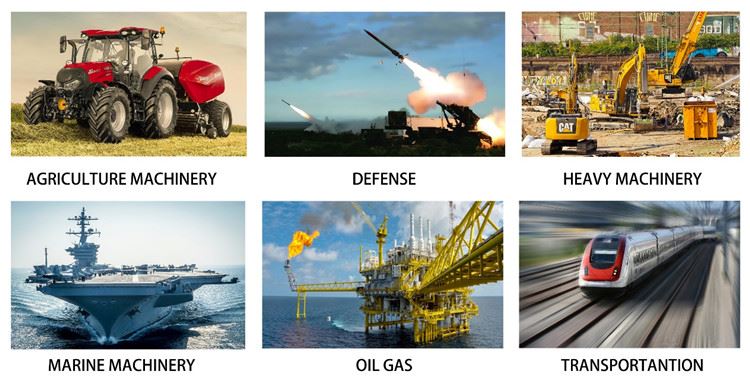
Engine Camshaft Castings are formed by pouring liquid metal into the casting mold. In other words, the smelted liquid metal is injected into the pre-prepared castings by pouring, pressure injection, suction or other casting methods. After cooling and subsequent processing such as grinding, the object with certain shape, size and performance is obtained. Engine Camshaft Castings are used in a wide range of applications, including hardware and the entire mechanical and electronic industry.
Product Feature
Our Engine Camshaft Castings have excellent mechanical and physical properties. They are available in a variety of strength, hardness and toughness combinations. Also can have one or more special properties, such as wear resistance, high and low temperature resistance, corrosion resistance, etc. Our castings are impact resistant, wear resistant and durable, and can be used for a long time.
Product specification
Place of Origin: Shandong, China
Standard: GB ASTM AISI DIN BS
Process: Investment casting+machining+polishing
Color: steel color
Surface treatment: shot blasting
Type: OEM castings
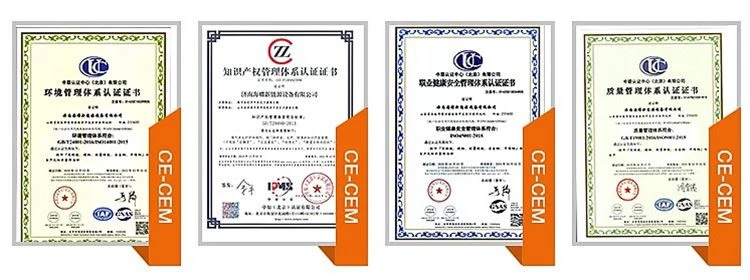
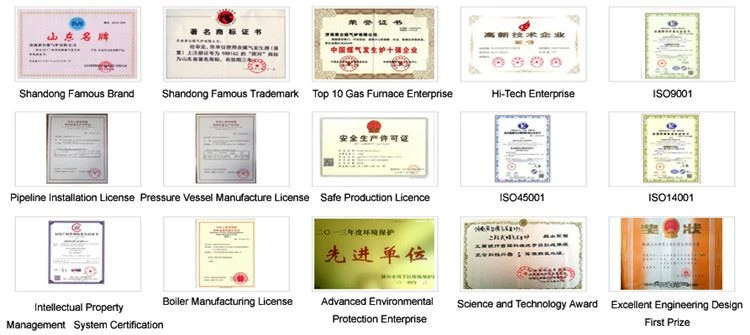
Certification: TS16949:2009 / ISO14001
Service: OEM ODM
Item: Precision Investment Casting Products
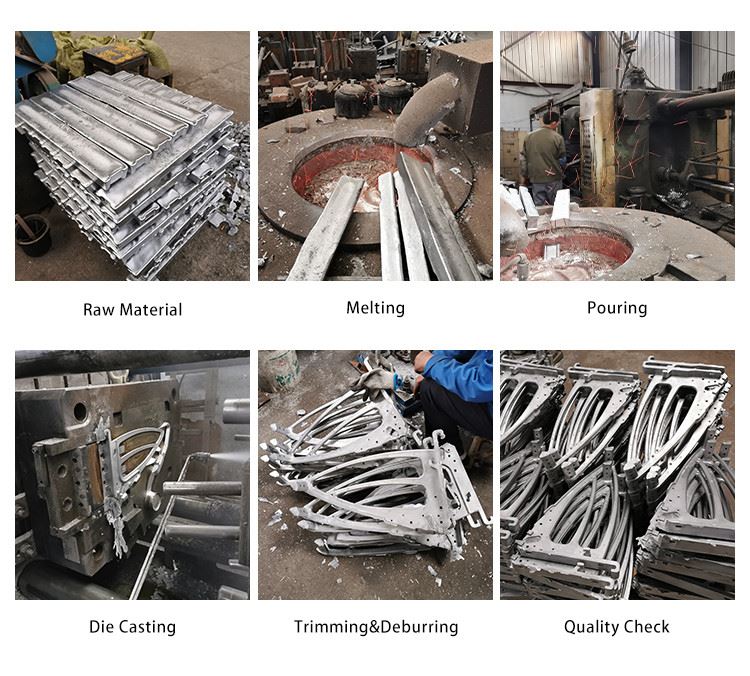
Manufacturing Process
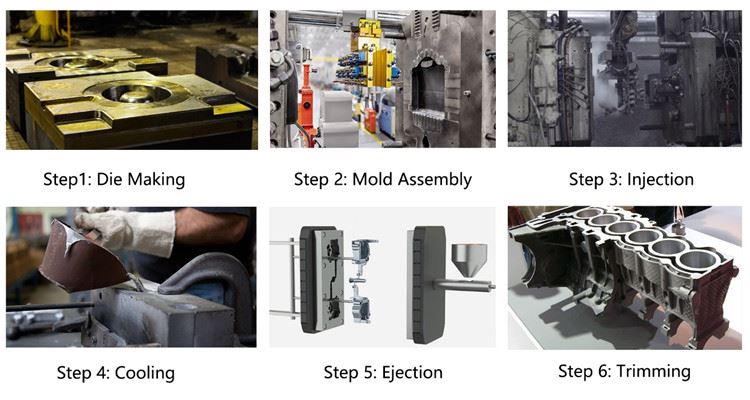
1. Raw material. The first step is the preparation.
2. Melting. Melting the raw material.
3. Pouring. The molten metal is transferred from a furnace into a ladle. The ladle then pours the molten metal into shot chamber where it is ready to be injected into the clamped die. The molten metal is then forced into the die using extremely high pressure. The high pressure then holds the metal in the die until it has time to solidify.
4. Die Casting. After the molten metal is injected into the die, it must have time to solidify and cool. During this time the die cannot be unclamped. Once the metal has completely cooled it takes on its final shape of the casting.
5.Trimming. The next step in the die casting process is trimming. While the metal is cooling, the excess metal in the sprue and runner must be removed along with any flash that has transpired. This extra material is then trimmed away from the final casting. The trimmed sprue, runners, and flash can then be recycled and reused in the die casting process.
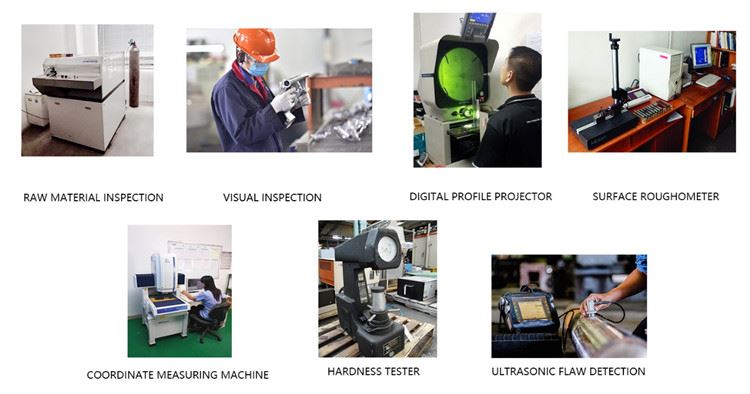
6.Quality Check. Every parts will be full-checked by our QC department.
Product Parameter
Material | Carbon steel, Alloy steel, Stainless steel, Aluminium, Copper |
Process | Lost wax casting + CNC machining |
Casting tolerance | ISO 2768-mK, VDG P690 D1-D2, ISO8062-3-2007 DCTG4-6, GCTG4-6 |
Casting roughness | Ra1.6-3.2 |
Machining roughness | Ra0.8-3.2 |
Casting weight range | 0.005-50kg |
Material standard | GB, ASTM, AISI, DIN, BS, JIS, NF, AS, AAR.... |
Surface treatment | Zinc plating, Polishing, Anodizing, Painting, Nickel plating |
Heat treatment | Annealing, Normalizing, Hardening, Tempering, Case hardening.... |
Service | OEM& ODM |
Quality Control | IATF16949:2016, ISO14001:2015, ISO9001 |
Application | as request |
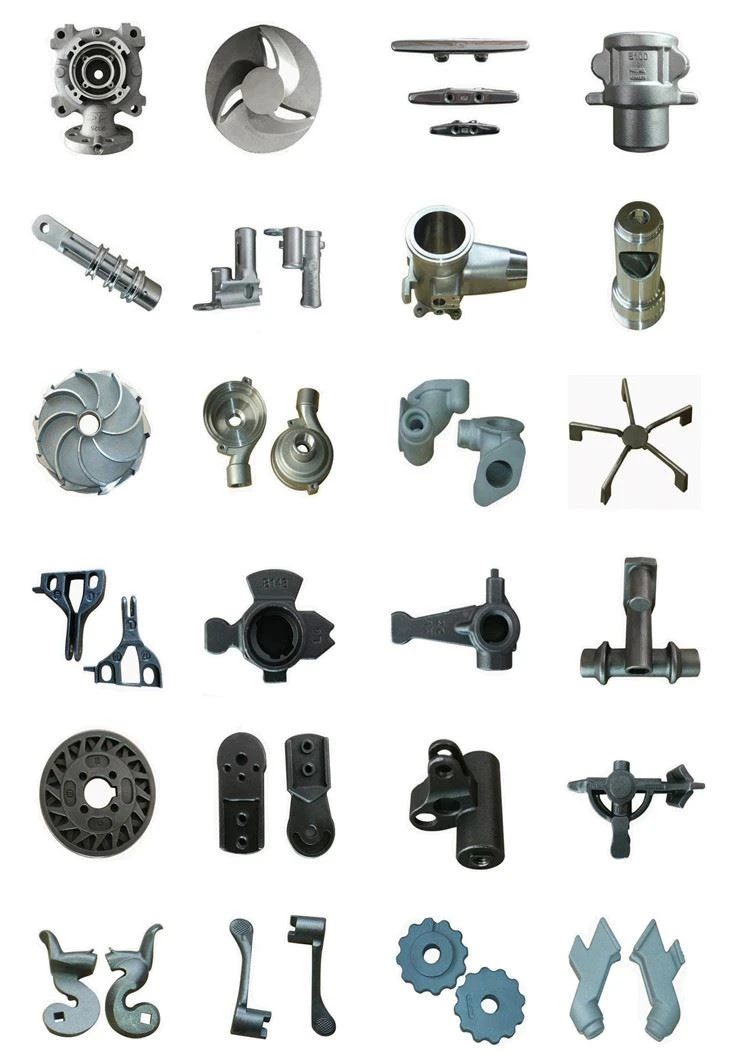
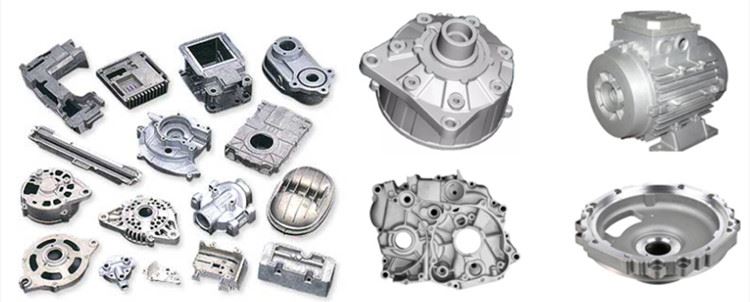
Casting Display

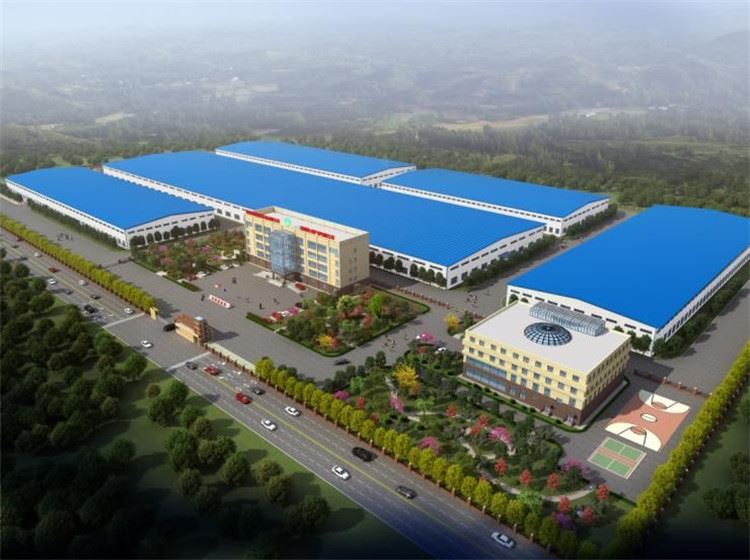
Company Profile
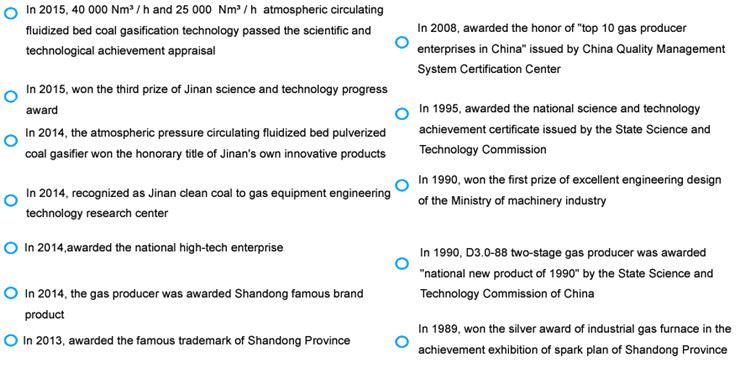
Company Certificate
Application Field
Manufacturing Process of Engine Camshaft Castings
Testing Equipment
FAQ
Q1. Are you a manufacturer or a trading company?
A. We are a professional manufacturer with over 15 years’export experience for designing and producing metal castings.
Q2. What is your company's basic information?
A. Jinan Haiyao New Energy Equipment Co., Ltd. is located in Shanghe County, Jinan City. It is a foundry that provides mass production of large and medium-sized sand castings. It is close to Jiele Expressway and enjoys an advantageous geographical location and convenient transportation! Haiyao New Energy Company covers an area of 200000 square meters, with a main plant construction area of 23,800 m2, a molding area of 9,600 m2, and a fixed assets of 200 million yuan. It has established a modern sheet metal workshop, processing workshop, foundry workshop, electrical workshop and assembly workshop; Casting two existing 3 ton Yingda electric furnaces.
Q3. What is the thinnest wall thickness you can cast?
A. By special technology,like ceramic core/soluble wax,we can cast the wall thickness at 0.5-0.8mm.
4. What is the range of the weight you have casted?
A. The weight we can cast from 10kg to 500kg.


