


Product information
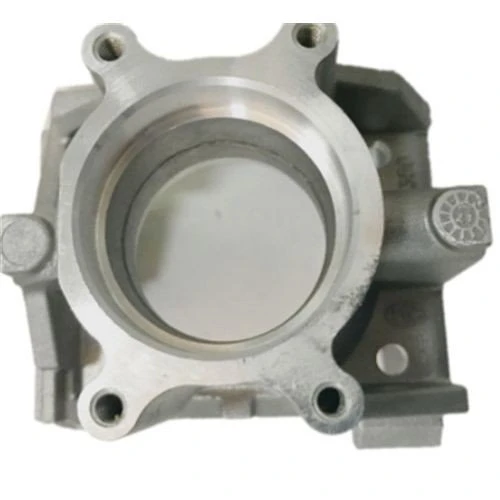
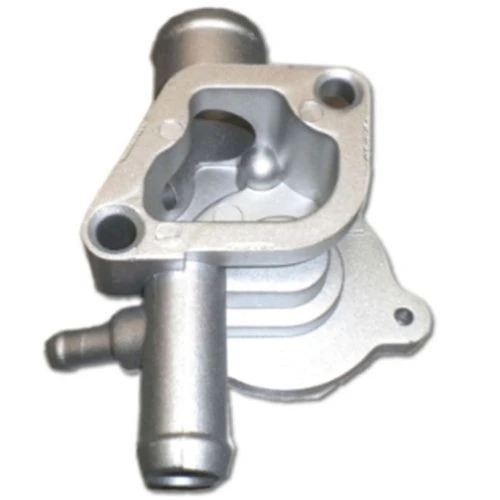
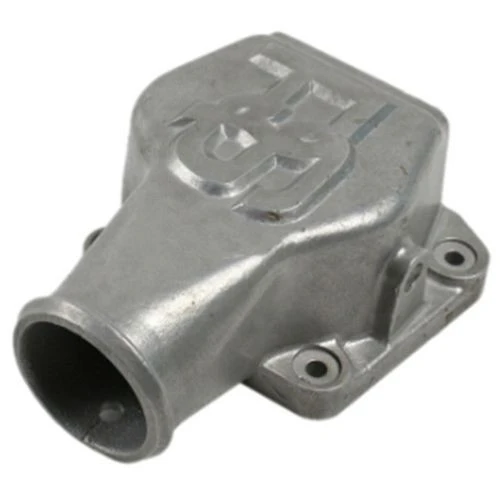
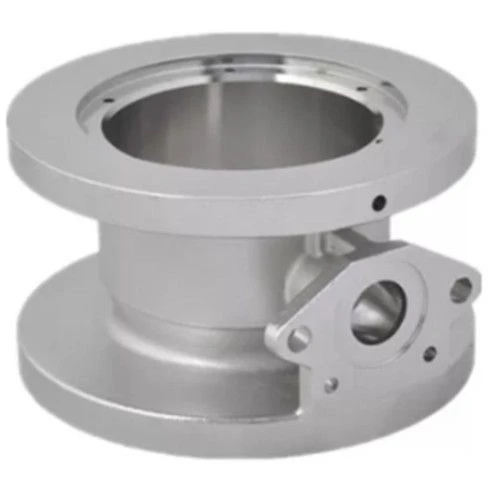
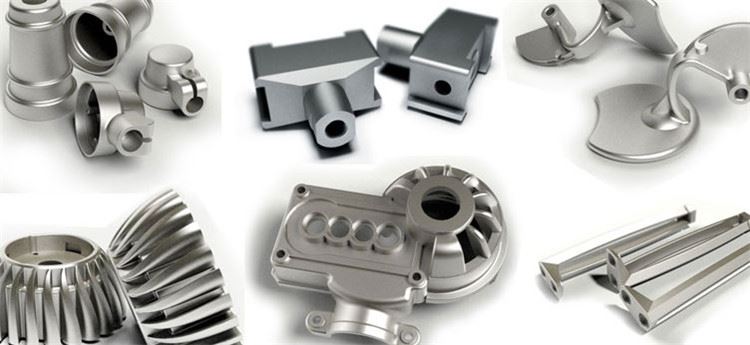
Product name: Alloy Die Casting Motorcycle Components
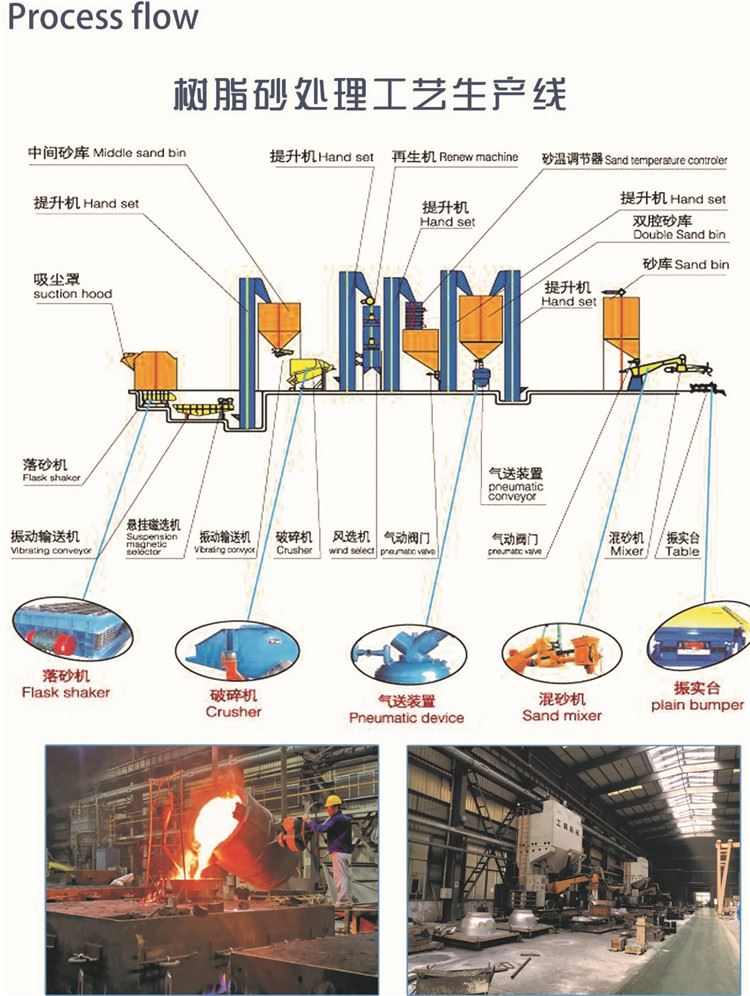
Process: clay sand, resin sand, green sand
Surface treatment: Painting, Powder coating, E-coating, Cataphoresis, anti-rust oil
Application: Machinery, engine, auto, industry, motor, railway, pump, valve
Finish: shot blasting, heat treatment, E-coating, painting, coated
Machining Process: CNC, turning, milling, boring, drilling, honing, grinding, reaming
Quality Control: APQP, PPAP, control plan
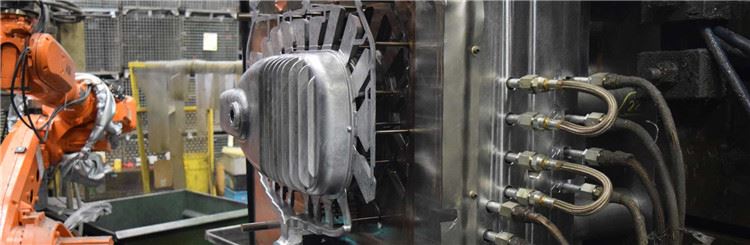
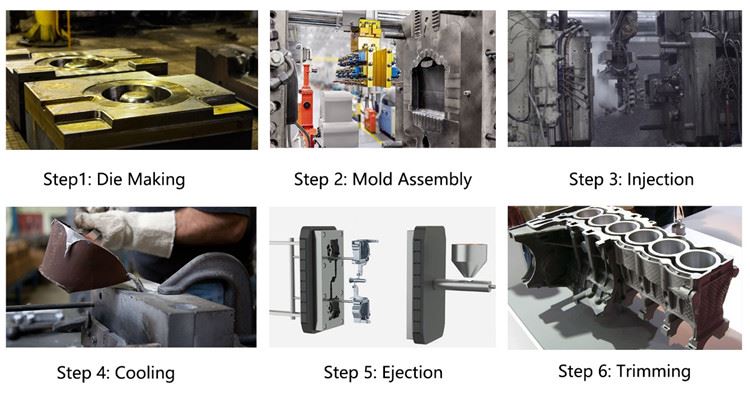
Die casting is the process of producing a large quantity of Intricate and geometrically complex parts with unique designs through the use of a reusable mold created to the specific design of mass-produced components. The metal for die casting, typically a non-ferrous alloy such as aluminum or zinc, is melted in the furnace. In essence, the die casting process works by pouring or injecting molten metal under high pressure into a mold cavity. The castings that are manufactured in the die casting process can vary greatly in weight and size, ranging from a couple of grams to a hundred kilograms.
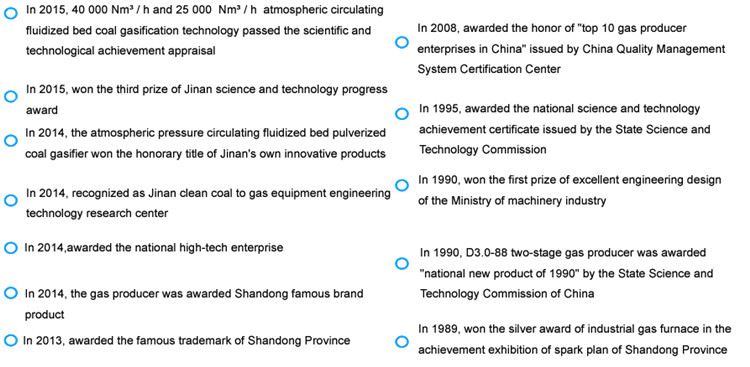
Die casting has been a specialty of Haiyao new energy equipment co., for over 15 years. Our die casting services have been helping many mechanical engineers, product designers and architects make their designs to life with state-of-the-art part designs and reliable quality. Provided a complete system of production, quality management system, and high-quality workforce, you are guaranteed quality manufacturing of your custom parts and products at a highly efficient and economical method.
Product Parameter
Product Name | Alloy Die Casting Motorcycle Components |
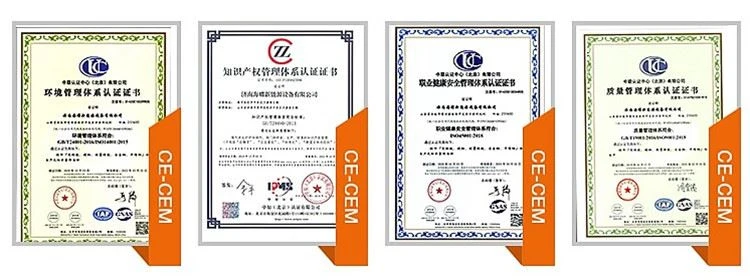
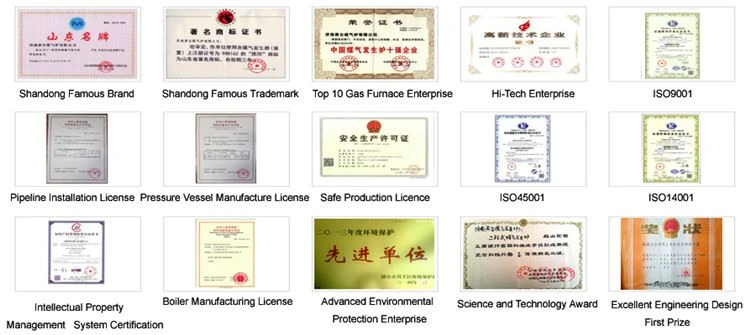
Quality Assurance | ISO9001:2015 Certified |
Material | Aluminum Alloy:5052 /6061/ 6063 / 2017 / 7075 / etc. |
Zinc Alloy:Zamak 3/ Zamak5/ Zamak 2/ ZA 8/ etc. | |
Copper Alloy:H68/H68/H65/H62/H59 / etc. | |
Magnesium Alloy:MB1/ MB2/ MB3/ MB5/ MA11/ ZM1/ZM3/ ZM8 / etc. | |
Other Special Materials:Lucite / Nylon / Bakelite / etc. | |
We handle many other types of materials. Please contact us if your required material is not listed above. | |
Surface Treatment | Blacking,polishing,anodize,chrome plating,zinc plating,nickel plating,tinting |
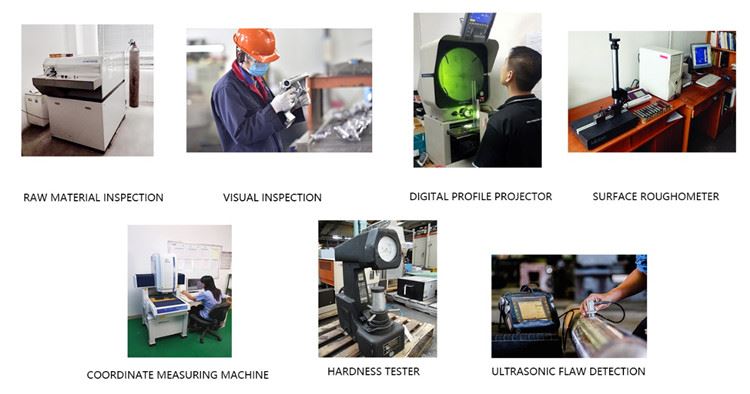
Inspection | Projector, Coordinate Measuring Machine, Visual Quality Standard, Roughness Tester, Hardness Tester, etc. |
File Formats | Solid Works,Pro/Engineer, AutoCAD(DXF,DWG), PDF,TIF etc. |
Machining Equipment | Machining Center / CNC Lathes / Grinding Machines / Milling Machines / Lathes / Stamping Machines/ Full Automatic Lathe /etc. |
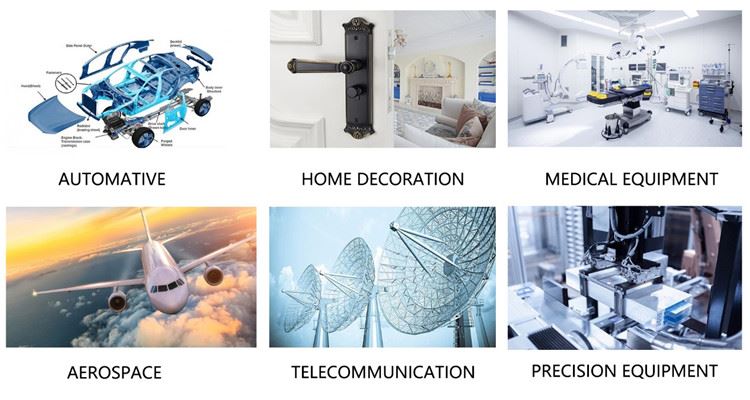
Application | Automotive: Cylinder Heads, oil sump, suspension arm. Home Decoration: Doorknob, bolt, anti-leech. Medical Equipment: heart monitors, bed gearboxes, drug dispensers. Aerospace: Jet engine airfoils, bearing housing, vertical support. Telecommunication: Telecommunication base station filter. Precision Equipment: Fixed base, barrel. |
Standard | ASTM, ASME, DIN, JIS, ISO, BS, API, EN,GB |
Capability | Output 120 tons per month. |
Company Advantage | 1. Quotation within 48 hours. 2. Quality you can rely on. 3. We provide 100% satisfaction at world-competitive prices. 4. We pay meticulous attention to details throughout the whole manufacturing process. 5. Rigorous QC standards, 100% inspection before shipping. 6. Strict delivery time control for each and every order. |
Advantages of Alloy Die Casting Motorcycle Components
1. High-degree customized level.
2. Higher production rate.
3. Dimensional accuracy and high stability.
4. Lightweight and superior strength.
5. Low mass production cost.
6. Multiple finishing techniques.
Casting Display
Company Profile
Company Certificate
Application Field
Manufacturing Process
Testing Equipment
FAQ
Q1. What is the typical minimum wall thickness of your zinc and aluminum die castings?
A: The minimum or maximum cross-sectional wall thickness on any parts is very much depedent on the overall part size and design. As an example, a 0.010‘’ wall thickness may be possible if it's localized but is not possible if it is across the entire length of the 4‘’long part. Generally, the optimum wall thickness is 0.040‘’ to 0.120‘’ and again, is related to the overall size of the part. Minimizing wall thickness also reduces the material content of a part and its cost.
Q2. Can you recycle gates and runners?
A: Yes, we try to recycle as much scrap metal as possible. Aluminum is the best and easiest metal to recycle.
Q3. When casting rapid prototypes via investment castings, spin or chemically bonded sand casting does one use the exact same metal alloy that will be utilized with mass production die casting?
A: No, you cannot weld a die cast part. It destroys the casting and due to the nature of the alloy content no weld would occur. You can, however, solder a zinc die cast part that has ben tin-plated. This is typically done on electronic components.
Q4. Can you weld die cast parts?
A: No, you cannot weld a die cast part. It destroys the casting and due to the nature of the alloy content no weld would occur. You can, however, solder a zinc die cast part that has ben tin-plated. This is typically done on electronic components.
Q5. Can you anodize die cast aluminum?
A: Yes, we can anodize die cast aluminum. For larger parts, it’s a functional coating that acts as a base coat for painting or provides additional corrosion resistance. For smaller parts that ‘fit in the palm of your hand’, it can be cosmetic with proper tool design and production processes.
Q6. Can I expect to receive die cat parts are 100% free of porosity defects?
A: No, porosity is inherent to the die casting process. However, with proper tool design, porosity can be minimized and localized in noncritical areas.


