
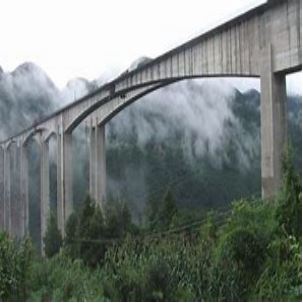
Production Introduction
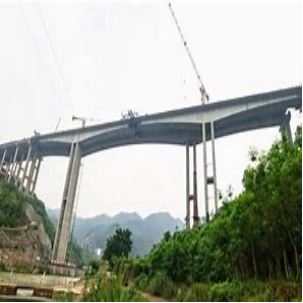
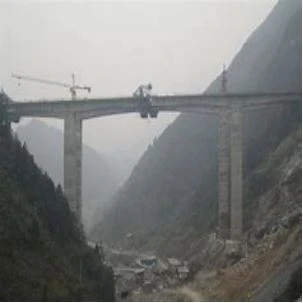
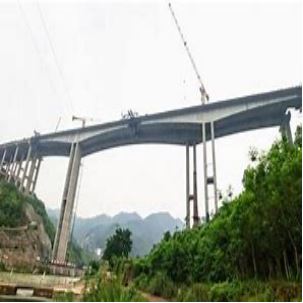
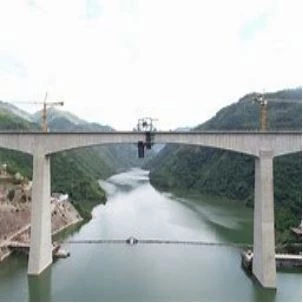
Continuous steel girder bridge is a commonly used structural system in the construction of long-span bridges, and its commonly used span is between 100 and 300 meters. In continuous steel girder bridge, the pier body and the main beam are consolidated into a continuous rigid frame bridge. Since the pier body and the main beam form a rigid frame and bear the load of the superstructure, on the one hand, the main beam is reasonably stressed, and on the other hand, the pier body has fully developed its potential in the structure.
Production Display
Production Feature
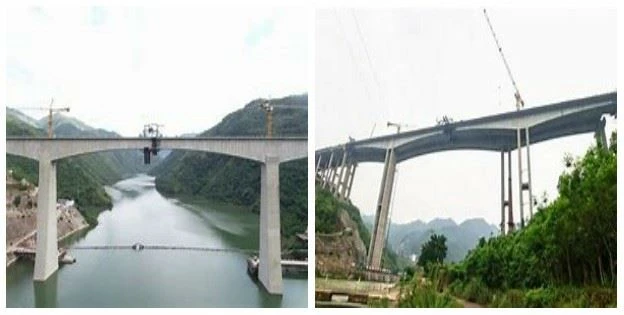
(1) The structural feature of a continuous steel girder bridge is that the main beam is continuous and the pier beams are consolidated, And it's convenient for construction, and torsion rigidity across the bridge can well meet the force requirements of larger spans.
(2) Flexible bridge piers can adapt to the longitudinal displacement of the structure caused by preload, concrete shrinkage and creep, and temperature changes. In order to reduce the bending moment generated by the horizontal displacement in the pier, continuous rigid frame bridges often adopt horizontal thrust rigidity. Small high piers and double thin-walled piers. When crossing the terrain of ravines and river valleys, a single thin-walled flexible high pier continuous rigid frame system can be used; when the span is large and the height of the pier is not high, in order to increase the flexibility of the pier, double thin-walled piers are often used. Thin-walled piers also have the effect of reducing the peak value of the negative bending moment at the top of the pier.
(3) The internal force distribution in the continuous steel bridge is more reasonable, and the rational selection of the stiffness of the pier can effectively reduce the bending moment in the main girder, which is beneficial to increasing the span.